 AnimalTrace
For horses
Know the horse. Have the papers.
Keep each horse's registration, Coggins, health certificates, and DNA results together, each as it was issued. Then check pairings for carrier risk and inbreeding before you breed.
Free for up to 5 horses. Breeding checks come with Client Pro.
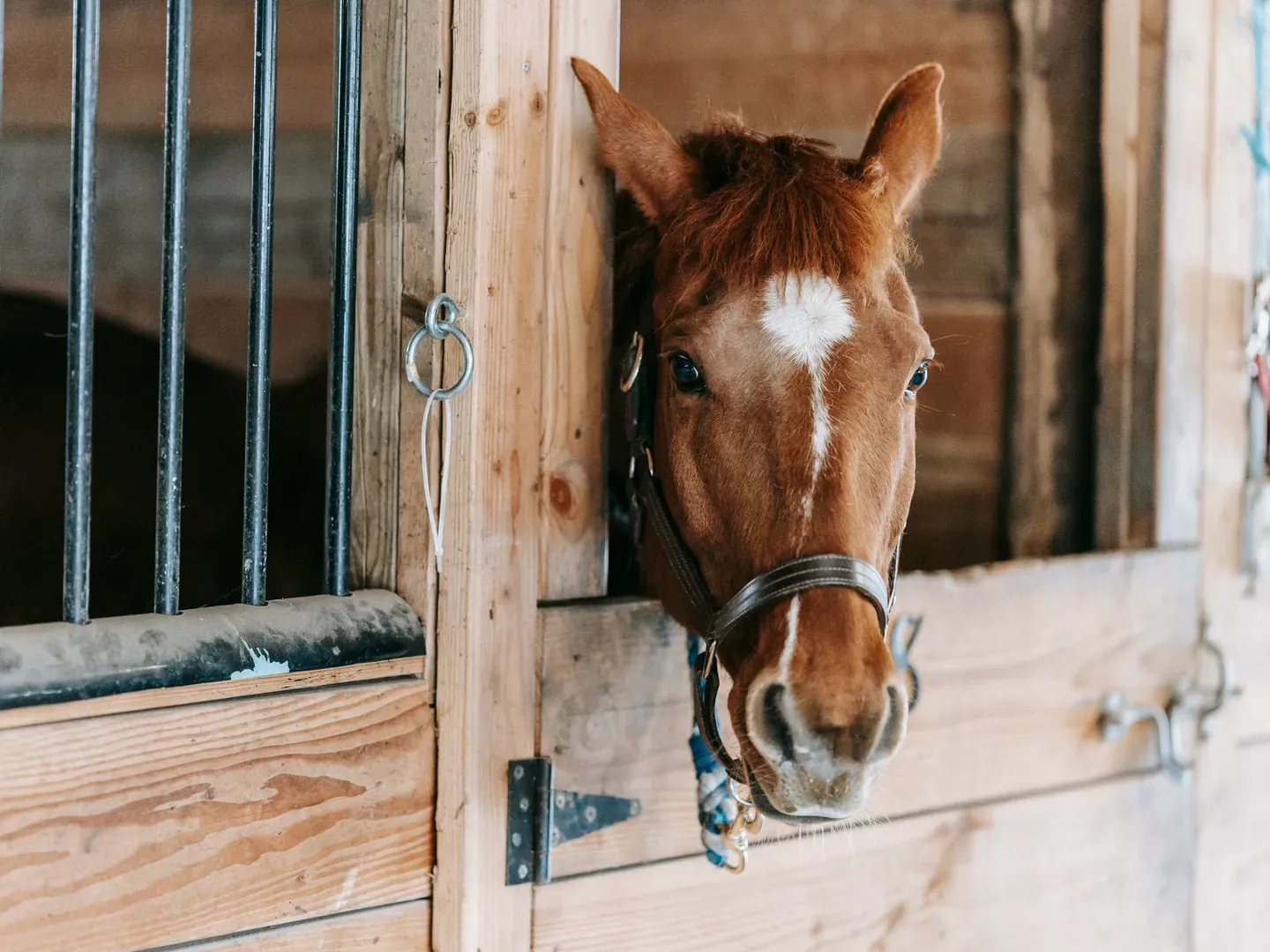
The records behind the horse. Illustrative photography
Records
Keep what a buyer, a vet, or a registry will ask for.
Upload each document to the horse's record. It stays there as it was issued, ready to open whenever someone asks.
Registration and transfers
The registration papers, and the transfer when the horse changes hands.
Coggins and health certificates
The negative EIA test and the travel certificate that a move or sale needs.
Vet, farrier, and dental notes
Injuries, treatments, lameness workups, and special shoeing.
DNA results
Disease panels and other tests, with the lab report kept whole.
Pedigree
The horse's parents and ancestors.
Show and performance records
Results, and the photos and video buyers ask for.
Selling a horse
Have the paperwork ready before the first call.
Buyers ask for it, state rules require some of it, and a gap found late can stall a sale. Rules differ between states, so check with your state's animal health office.
What's usually asked for in the US
- Proof of a negative EIA test (often called a Coggins). Check the destination state's required test period and any exemptions.
- A health certificate for travel, usually written within 30 days of the move.
- The registration papers, and the transfer the seller signs.
- Vaccination, deworming, and veterinary history, with dates.
Show a buyer the records
An Animal Passport shares the part of the record you choose, for as long as you choose. Revoke it and the link stops working.
How an Animal Passport worksBefore a breeding
Check a pairing before you breed.
Each check shows what it was based on, so you can judge how far to trust it. A condition that hasn't been tested on both sides can't be checked. Usable owner-confirmed reports can also count, labelled owner-supplied rather than lab-verified.
Carrier risk
See the chance of affected, carrier, and clear foals for each condition both horses have usable recorded results for.
Inbreeding (COI)
Get the inbreeding coefficient for a pairing from the pedigrees on record, with the shared ancestors behind it.
Rank mates
Rank candidates for a mare or stallion with the reasons shown. Leave out at-risk pairings and set a limit on inbreeding.
Reading results
One copy can mean different things.
On a Quarter Horse panel, N/H for HYPP and N/HRD for HERDA look alike, but they don't mean the same thing. HYPP is dominant, so a horse with one copy can show signs itself. HERDA is recessive, so a horse with one copy is a healthy carrier.
Our guide explains how to read the letters on a DNA report, what "clear" covers, and what two carriers mean for a foal.
How to read a genetic test resultQuestions
About AnimalTrace for horses.
Can I add any breed?
Which conditions can a pairing check cover?
Does AnimalTrace replace my registry or my lab?
Who can see my horse's records?
What does it cost?
More time for the animals
Keep their history close. Plan what comes next.
DNA reports, pedigrees, and health clearances belong with the animal. Bring them together once, then use the same record when you care, breed, or share.
The next step
Start with one horse and the papers you have.
Create a free account, add a horse, and keep its documents in one place.